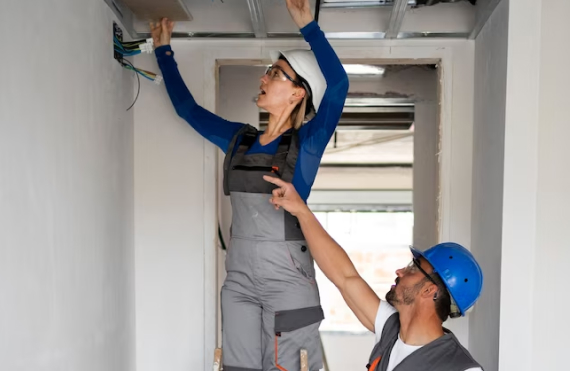
Discover common electrical hazards in Florida homes, including outdated wiring, moisture damage, and overloaded circuits. Expert safety tips for Jupiter homeowners.
Electrical Troubleshooting
.webp)


.webp)
A circuit breaker that keeps tripping can be frustrating, especially when it interrupts power to your kitchen, bedroom, garage, or outdoor equipment. While resetting a breaker may temporarily restore electricity, repeated trips can indicate an underlying electrical problem that needs professional attention.
For homeowners in Jupiter, Tequesta, and surrounding Palm Beach County communities, common causes include overloaded circuits, damaged wiring, malfunctioning appliances, moisture intrusion, and defective electrical components.
Understanding why a breaker trips can help you recognize warning signs, avoid unsafe repairs, and determine when to contact a licensed electrician.
A circuit breaker is a safety device designed to interrupt electrical current when certain unsafe conditions occur. Standard breakers primarily protect wiring against overloads and short circuits, while specialized AFCI and GFCI breakers provide additional protection against certain arc faults and ground faults.
When a breaker trips, it is important to determine what caused the interruption rather than repeatedly restoring power.
A single trip may result from operating too many appliances simultaneously. However, a breaker that trips frequently, immediately after resetting, or without an obvious cause may indicate a more serious electrical issue.
An overloaded circuit occurs when connected electrical equipment draws more current than the circuit is designed to carry.
This can happen when several high-demand appliances operate on the same circuit.
Common examples include:
What to do: If there are no signs of damage, heat, or burning, disconnect the appliances and identify whether excessive electrical demand may be contributing to the problem.
If overloads occur regularly during normal household use, a licensed electrician can evaluate whether additional dedicated circuits are appropriate.
A short circuit occurs when electrical current flows through an unintended low-resistance path, potentially producing a large amount of current.
Possible causes include:
A breaker that trips immediately when turned on may indicate a short circuit or another electrical fault.
What to do: Leave the affected circuit off and contact a qualified electrician. Do not repeatedly reset the breaker or attempt to inspect wiring inside the electrical panel.
A ground fault occurs when electrical current follows an unintended path to ground. Ground-fault circuit interrupters (GFCIs) are designed to respond to certain current imbalances that could create an electric shock hazard.
GFCI protection is especially important in areas where electricity and moisture may come into contact.
These areas can include:
A tripping GFCI breaker may indicate moisture intrusion, defective equipment, damaged wiring, or another ground-fault condition.
What to do: Avoid using affected equipment until the cause has been identified, particularly if water exposure is suspected.
Arc-fault circuit interrupters (AFCIs) are designed to detect certain dangerous electrical arcing conditions that may increase fire risk.
Potential causes of AFCI trips include:
Because AFCI breakers can respond to conditions that standard breakers may not detect, replacing one without investigating the cause is not an appropriate troubleshooting solution.
What to do: Have a licensed electrician evaluate repeated AFCI trips to determine whether the issue involves the wiring, connected equipment, or breaker.
Jupiter and Tequesta homeowners face environmental conditions that can affect outdoor electrical systems.
Heavy rainfall, high humidity, irrigation systems, and coastal salt air can contribute to moisture intrusion and corrosion.
Electrical equipment commonly exposed to these conditions includes:
If a breaker trips after heavy rainfall or irrigation activity, moisture intrusion may be contributing to the problem.
What to do: Avoid handling wet electrical equipment. Have an electrician inspect the affected installation and determine whether repairs or replacement are necessary.
Circuit breakers and other electrical components can deteriorate over time due to age, environmental exposure, or electrical damage.
Possible warning signs include:
However, a tripping breaker does not automatically mean the breaker itself is defective. The connected circuit must be evaluated before determining whether replacement is necessary.
If a breaker has tripped once, there is no evidence of damage or moisture, and the cause appears to be an obvious overload, a homeowner may be able to safely disconnect the affected appliances and perform a single reset using the breaker handle.
Before attempting a reset:
If the breaker trips again, leave it off and arrange professional troubleshooting.
Never repeatedly reset a breaker, force it into position, or replace it with a higher-amperage breaker to stop the tripping. These actions can create serious electrical hazards.
Some electrical problems require prompt professional attention.
Contact a licensed electrician when:
Important: If you notice smoke, burning odors, sparking, or other signs of an immediate electrical hazard, stop using the affected equipment. If there is a fire or immediate danger, evacuate and call emergency services.
Professional electrical troubleshooting focuses on identifying the underlying cause rather than simply replacing components.
Depending on the symptoms, an electrician may:
Once the issue has been identified, the electrician can recommend appropriate repairs.
Some problems may be resolved by repairing a defective connection or replacing a damaged device. Others may require additional wiring, dedicated circuits, or electrical panel improvements.
A breaker can trip even when no portable appliances are connected. Possible causes include damaged wiring, hardwired equipment, moisture intrusion, an arc-fault or ground-fault condition, or a defective breaker.
Professional troubleshooting can help identify the source.
An appliance may overload the circuit, have an internal electrical fault, or cause a protective device to operate. An electrician can determine whether the issue involves the appliance, circuit capacity, or electrical installation.
Humidity alone does not necessarily cause a breaker to trip. However, moisture intrusion and corrosion can contribute to electrical faults, especially in outdoor equipment and installations exposed to Florida's coastal environment.
Not necessarily. Repeated trips may result from problems within an individual circuit, connected equipment, or a protective device.
An electrical panel upgrade may be appropriate if the existing equipment is damaged, deteriorated, or lacks the capacity required for the home's electrical needs.
If your circuit breaker keeps tripping, identifying the cause is essential for restoring reliable power and addressing potential electrical hazards.
BILL GILBERT ELECTRIC has served homeowners and businesses since 2003, providing electrical repairs, troubleshooting, circuit installations, and electrical panel upgrades throughout Jupiter, Tequesta, and surrounding Palm Beach County communities.
Whether the issue involves an overloaded circuit, moisture-damaged equipment, or a recurring electrical fault, our team can evaluate the problem and recommend appropriate repairs.
Need help with a breaker that keeps tripping? Contact BILL GILBERT ELECTRIC today to schedule professional electrical troubleshooting in Jupiter, FL.
Our Blog
Discover common electrical hazards in Florida homes, including outdated wiring, moisture damage, and overloaded circuits. Expert safety tips for Jupiter homeowners.
Discover why regular electrical inspections are critical for home safety, code compliance, and preventing costly repairs in Jupiter, Florida.
Learn the warning signs of an outdated electrical panel, including frequent breaker trips and insufficient capacity, and when to consider an upgrade in Jupiter, FL.


State Certified Electrical Contractor: EC13006272
Copyright Bill Gilbert Premium Electric 2026 © All Rights Reserved